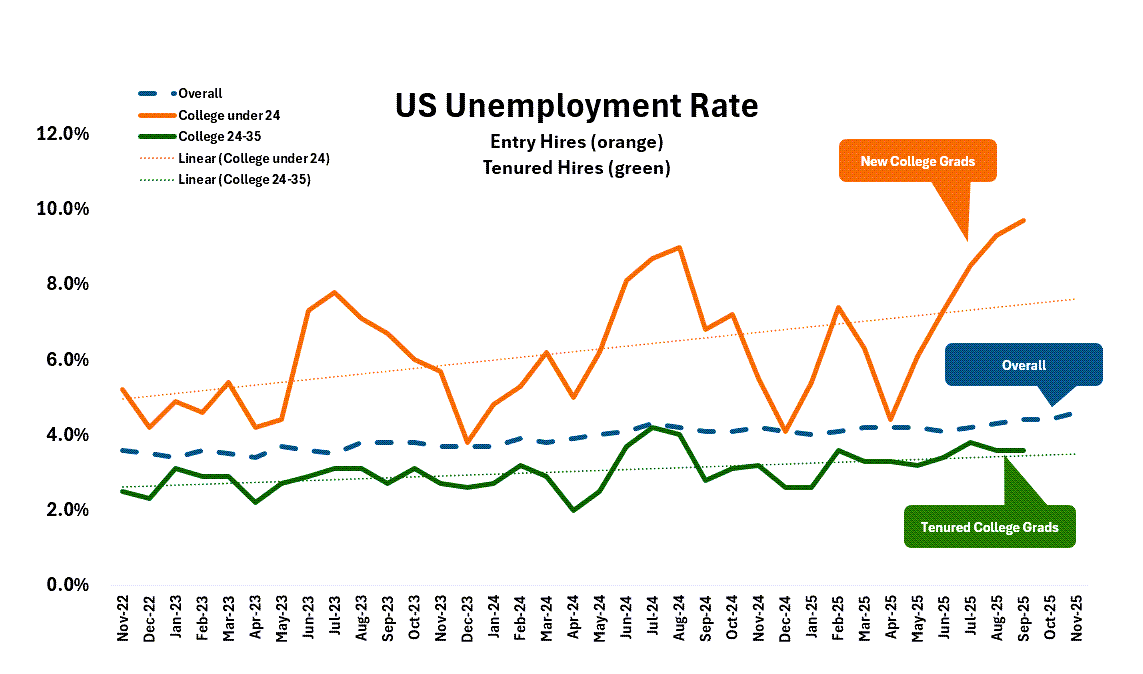
In 2026, monitoring unemployment rates is essential for understanding the health of the economy. Whether you are an investor, business owner, or policy analyst, employment trends provide critical insight into consumer confidence, economic growth, and market dynamics. Changes in unemployment rates influence spending, investment, and government policy, making this data vital for decision-making.
Understanding Unemployment Rates
The unemployment rate measures the percentage of the labor force that is actively seeking work but unable to find employment. It is a key economic indicator that reflects overall job market conditions. Low unemployment typically indicates a strong economy, while high unemployment may signal economic slowdown or structural challenges.
Tracking unemployment helps policymakers, businesses, and investors assess labor market health and anticipate economic trends.
Current Trends in 2026
This year, unemployment rates in the United States have shown notable shifts. Economic recovery efforts, technological advancements, and global trade conditions have influenced employment levels.
-
Technology and renewable energy sectors are creating new job opportunities, contributing to lower unemployment in specialized areas.
-
Traditional manufacturing and retail sectors continue to face automation challenges, which may reduce employment in certain regions.
-
Gig economy growth provides alternative employment options, impacting overall labor statistics.
Understanding these trends allows businesses and individuals to adapt hiring, investment, and career strategies.
Economic Implications
Unemployment rates have a direct impact on the economy. High employment levels increase consumer spending, driving demand for goods and services. Conversely, high unemployment can reduce purchasing power, slow economic growth, and increase reliance on government support programs.
For investors, employment data is closely linked to market performance, consumer confidence, and business profitability. Businesses use this information to plan expansion, staffing, and investment strategies.
Regional and Demographic Variations
Unemployment rates vary across states, industries, and demographic groups. Urban areas often experience lower unemployment due to diverse employment opportunities, while rural regions may face higher rates.
Certain demographic groups, including young adults and minority populations, can experience higher unemployment compared to the national average. Understanding these variations is crucial for policy development, workforce planning, and targeted business strategies.
Government Policies and Initiatives
In 2026, government policies continue to play a key role in shaping employment. Initiatives such as job training programs, incentives for businesses, and support for small enterprises help reduce unemployment and create sustainable job opportunities.
Monetary and fiscal policies, including interest rate adjustments and stimulus packages, also influence hiring trends. Staying informed about these policies allows businesses and investors to anticipate changes in the labor market.
Global Considerations
Unemployment rates in the United States are also influenced by global factors. International trade agreements, economic conditions in key partner countries, and technological advancements abroad can impact domestic job markets.
For example, changes in supply chains, outsourcing trends, and global market demand can affect employment in manufacturing, logistics, and service sectors. Awareness of global developments helps businesses and policymakers plan for potential risks and opportunities.
Tips for Monitoring and Responding to Unemployment Trends
To make the most of unemployment data in 2026, consider the following strategies:
-
Stay updated with reliable government and financial sources for the latest statistics.
-
Analyze industry-specific employment trends to identify growth sectors.
-
For businesses, align hiring and workforce development strategies with market conditions.
-
For investors, assess how labor market trends influence consumer behavior and corporate performance.
-
Individuals should monitor job market developments to inform career planning and skill development.
Proactive engagement with unemployment data helps individuals and organizations navigate economic challenges effectively.
The Role of Technology and Workforce Evolution
Technology continues to shape employment patterns in 2026. Automation, AI, and digital platforms are transforming industries, creating new job categories while reducing traditional roles.
Workers are increasingly adopting digital skills and flexible employment models to remain competitive. Businesses that embrace technology and invest in workforce development are better positioned to thrive in a rapidly changing labor market.
Conclusion
Unemployment rates in 2026 remain a critical indicator of economic health, influencing consumer confidence, investment strategies, and government policies. Understanding employment trends, regional and demographic variations, and global factors allows businesses, investors, and policymakers to make informed decisions and plan for the future.
By monitoring unemployment data, adapting to workforce changes, and leveraging emerging opportunities, individuals and organizations can navigate challenges, maximize growth, and contribute to a stable and resilient economy. Staying informed about employment trends is essential for success in today’s fast-paced economic environment.