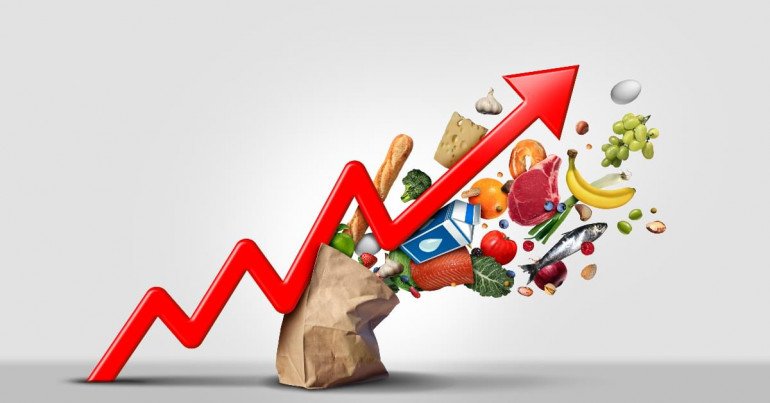
In 2026, inflation continues to be a key economic indicator affecting consumers, investors, and businesses worldwide. Understanding inflation trends helps individuals manage personal finances, guides business decisions, and informs investment strategies. Rising prices influence purchasing power, interest rates, and overall economic stability, making inflation updates essential for informed decision-making.
Understanding Inflation
Inflation measures the rate at which the general price level of goods and services rises over time. Moderate inflation is normal in a growing economy, but rapid or unpredictable increases can reduce the purchasing power of money. Inflation impacts everything from grocery bills and housing costs to investment returns and borrowing expenses.
Central banks, such as the Federal Reserve in the USA, monitor inflation closely to guide monetary policy, including interest rate adjustments and economic interventions.
Current Inflation Trends in 2026
This year, inflation rates in the United States and globally have shown notable trends:
-
Rising energy costs due to global demand and geopolitical factors have contributed to higher prices in transportation and utilities.
-
Food and grocery prices have increased as supply chain disruptions and weather events affect production and delivery.
-
Housing costs continue to climb in many urban areas, driven by high demand and limited supply.
-
Technology and healthcare sectors show moderate price growth, influenced by innovation and regulatory changes.
These trends demonstrate the importance of monitoring inflation to maintain financial stability and plan for future expenses.
Factors Driving Inflation in 2026
Several key factors are influencing inflation this year:
-
Supply chain disruptions: Global shipping challenges and production delays increase costs for businesses and consumers.
-
Labor market dynamics: Wage growth in certain sectors contributes to higher production costs.
-
Monetary policy: Central bank actions, such as interest rate adjustments or quantitative easing, directly affect inflation levels.
-
Global commodity prices: Oil, gas, and food commodity fluctuations impact overall consumer prices.
Understanding these drivers allows businesses and individuals to anticipate changes and adjust strategies accordingly.
Impact on Consumers
Inflation affects everyday expenses and purchasing power. Higher prices for essentials like food, fuel, and housing can strain household budgets. Consumers may respond by adjusting spending habits, seeking discounts, or prioritizing essential purchases.
Inflation also impacts savings and investments. Money held in low-yield accounts loses value over time, making it important to consider inflation-protected investments or diversified portfolios.
Effect on Businesses
Businesses are equally affected by inflation in 2026. Rising costs for raw materials, labor, and transportation may require price adjustments for products and services. Companies must balance cost increases with competitive pricing to maintain profitability.
Effective strategies include operational efficiency, supply chain optimization, and forward-looking financial planning. Businesses that monitor inflation closely can adapt quickly and remain resilient in changing economic conditions.
Investment Considerations
Investors need to account for inflation when planning portfolios. Certain assets, such as stocks, real estate, and commodities, can act as hedges against inflation. Bonds and fixed-income investments may be less attractive in high-inflation environments due to lower real returns.
Understanding inflation trends helps investors allocate assets effectively and protect long-term wealth.
Regional and Global Perspectives
Inflation is not uniform across countries. While the USA experiences moderate inflation, other regions may face higher or lower rates due to economic policies, currency fluctuations, and local market conditions. Global inflation trends influence trade, investment, and international business operations.
Keeping a global perspective allows individuals and businesses to anticipate cost changes, adjust strategies, and mitigate risks.
Tips for Managing Inflation
To navigate rising costs in 2026, consider these strategies:
-
Review and adjust budgets regularly to account for price increases.
-
Prioritize essential spending and reduce discretionary expenses.
-
Consider investments that historically perform well during inflationary periods.
-
Monitor interest rates and central bank announcements to anticipate financial impacts.
-
For businesses, optimize supply chains and improve operational efficiency to control costs.
Being proactive enables individuals and organizations to protect finances and maintain stability during periods of inflation.
The Role of Technology
Technology also plays a role in managing inflation. Financial apps, budgeting tools, and investment platforms provide real-time updates on prices, interest rates, and market trends. Businesses use technology to optimize inventory, reduce costs, and forecast pricing changes. Leveraging digital tools ensures that financial and operational decisions are data-driven and timely.
Conclusion
Inflation updates in 2026 are critical for understanding the broader economic environment. Rising prices influence consumer spending, business operations, and investment strategies. By monitoring inflation trends, understanding their drivers, and adopting proactive strategies, individuals and businesses can mitigate risks, protect purchasing power, and make informed financial decisions.
Staying informed about inflation ensures that you can navigate economic challenges, plan for the future, and maintain financial stability in a dynamic global economy.